Our Services
We provide essential services across Brighton & Hove, Eastbourne and Hastings, as well as elsewhere in Sussex.
Over the past 50 years BHT Sussex has developed a diverse menu of services to support people who are homeless, or at risk of homelessness, and people who have complex needs.
Our services include: day centre provision, residential rehabilitation, mental health services, specialist housing and legal advice and work, learning and training initiatives.





Real life stories from BHT Sussex
Josie
Having someone you can rely on to help you through difficult situations is essential to a stable environment. This is what we provide in our supported housing service in Mid Sussex. Our clients each have a dedicated support worker who helps them gain independent living skills and improve their overall wellbeing. Such stability and frequent one on one support can effect great change in our clients. This was the case for Josie who came to Mid Sussex Supported Housing following a long-standing history of severe mental health issues. This is Josie’s story. Josie is a young woman with autism who … Read more

Iva
BHT Sussex is one of the only Legal Aid providers in the South East, making the work of our Immigration Legal Service incredibly important. This service provides advice and representation for many people trying to claim asylum in the UK. As part of this service, we help and represent many minors who have arrived in the UK unaccompanied. This was the case with Iva. This is her story. Iva was kidnapped as a 15-year-old and brought to the UK by traffickers who intended to exploit her. She managed to escape from her trafficker when she arrived in the UK and … Read more
Erica
When someone experiences so many difficulties in life, it can be hard to figure out where to even start to address their situation. At Route One, our team are highly knowledgeable and skilled in helping people who have mental health and/or complex needs. Erica is a previous resident of Route One who was helped by the team to take control of her life and address the difficulties she was facing. This is her story.
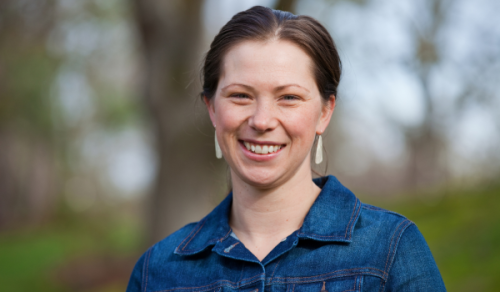
Mia
Mia, a 75-year-old Spanish woman, was living in sheltered accommodation and had been facing significant financial difficulties for approximately five years due to an ongoing issue with her National Insurance (NI) number. This issue caused her benefits to be repeatedly stopped and reinstated, leading to substantial gaps in income. Without consistent benefits, Mia fell behind on her rent, accruing significant arrears, and was at risk of homelessness. This is her story. The Initial Challenge The root cause of the problem was an error made when Mia first registered for benefits: she was assigned the NI number of another individual with … Read more
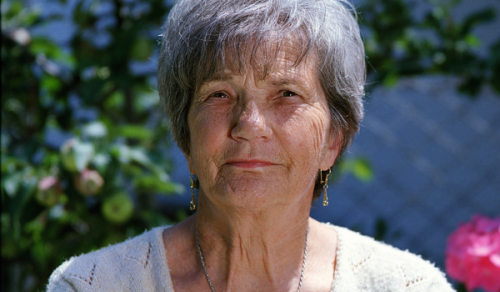
Stan
Support for those in their old age looks different for everyone. This is why our East Sussex Floating Support Service individually tailors support to each person we serve. Stan’s case exemplifies the importance of this way of working. This is his story. Stan is a 90-year-old retired barrister who was referred to our East Sussex Floating Support Service by the NHS Community Frailty Practitioner Service, following his discharge from hospital after a fall. Stan is widowed, has a history of falls, and had recently moved into a sheltered housing scheme. However, the scheme had no floor coverings, contributing to his … Read more

Lindsay
BHT Sussex is a member of Pathfinder West Sussex – an alliance of organisations working together to enable people with mental health support needs, as well as their carers, to improve their mental health and wellbeing. As part of this offering, Pathfinder has many volunteer peer mentors. Peer Mentors use their lived experiences of mental health challenges to create a supportive environment where their clients can discuss their needs, as well as work towards achieving their goals and aspirations. This is the how one of our peer mentors, Lindsay, became a volunteer at Pathfinder. “I ended up in hospital due … Read more
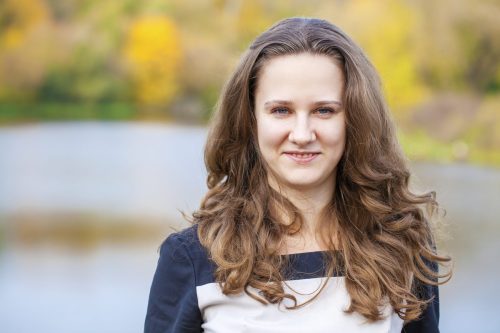
Clarrissa
BHT Sussex is part of an alliance of organisations in West Sussex who work together to empower people to improve their mental health and wellbeing called Pathfinder. Pathfinder prides itself on its volunteer Peer Mentors – people who use their lived experiences of mental health challenges to create a supportive environment where their clients can discuss their needs, as well as work towards achieving their goals and aspirations. Clarrissa used to attend Peer Mentor groups as a client, soon becoming a Peer Mentor herself. This is her story: “When I first came to Crawley, I was in a really bad … Read more
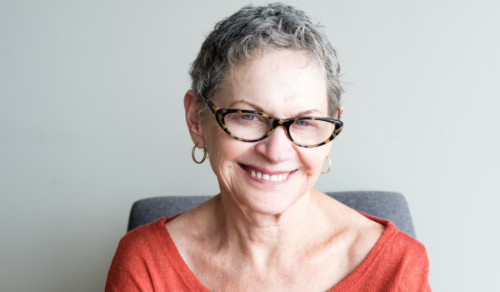
Ishaq
At BHT Sussex we are known for our resilience and ability to persevere, despite significant setbacks. This is demonstrated by our Immigration Legal Service, who helped a young man achieve refugee status after a six-year battle. This is Ishaq’s story. Ishaq grew up in Egypt, where he lived until he was a teenager. Ishaq’s father was arrested and imprisoned because of an association with the Muslim Brotherhood – a banned organisation in Egypt. It did not matter to Egyptian law enforcement whether the association was real or just perceived. The prison he was sent to is infamous for housing political … Read more

Lily
BHT Sussex are proud to have multiple supported accommodation options for people struggling with their mental health in Brighton and Hove. One such offering is Shore House, where 24-hour intensive support is provided to 20 people with a range of mental health diagnoses, and those experiencing the effects of complex trauma. This intensive support helps clients to change their lives and move toward more independent living. Lily is a current client who benefits from this approach. This is her story. After spending significant time alternating between hospital stays and living in supported accommodation, Lily arrived at Shore House in 2024. … Read more
Eleanor
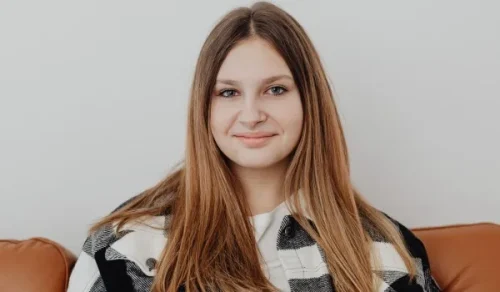
Living with unsupported mental health needs can make reaching personal goals seem unimaginable and unrealistic. However, through the support offered at Route One, our mental health supported accommodation, we help set our clients on the path to meet their goals and feel more in control of their own lives. This was the case with Eleanor, who gained the tools to move on with her life after coming to Route One. This is her story. Eleanor is a 32 year old woman who was living with undiagnosed bipolar disorder and emotionally unstable personality disorder (EUPD). Eleanor was struggling with alcohol and … Read more
Scotty
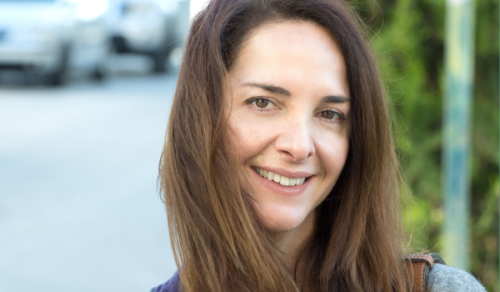
Struggling to find employment despite incredible effort can have a big impact on someone’s health and wellbeing. This was the case with Scotty, who found it difficult to identify a clear path into work after being failed by multiple services. This, coupled with the difficulty of managing a chronic illness, made Scotty feel hopeless. However, after working with BHT Sussex’s Intern Programme, who supported Scotty and his specific needs, Scotty found a way through. This is his story. Feeling hopeless “My life was pretty bleak for many years, and I did not see much of a future ahead of me. … Read more

Jim
Many clients who seek help from First Base, our day centre for people who are sleeping rough, have multiple and complex needs. When helping a person move away from rough sleeping and into more secure accommodation, the case workers at First Base consider all the physical and mental health needs a client may have. This approach helped Jim get off the streets. Read his story below. “Before I came to First Base, I had lost my supported accommodation and was rough sleeping on the streets. On my first visit to First Base, one of their case workers asked me if … Read more